
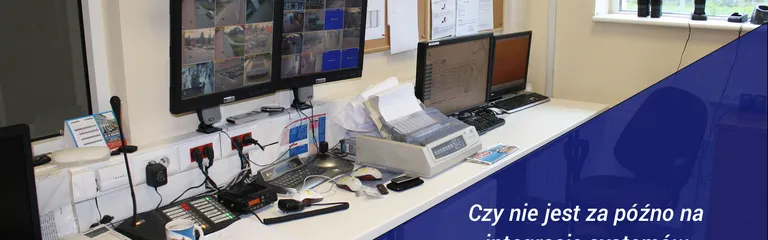

The growing availability of technical security systems is leading to an increasing number of devices installed in facilities. With a rising number of systems from different manufacturers — each equipped with its own computer and proprietary software — the number of personnel is being reduced at the same time.
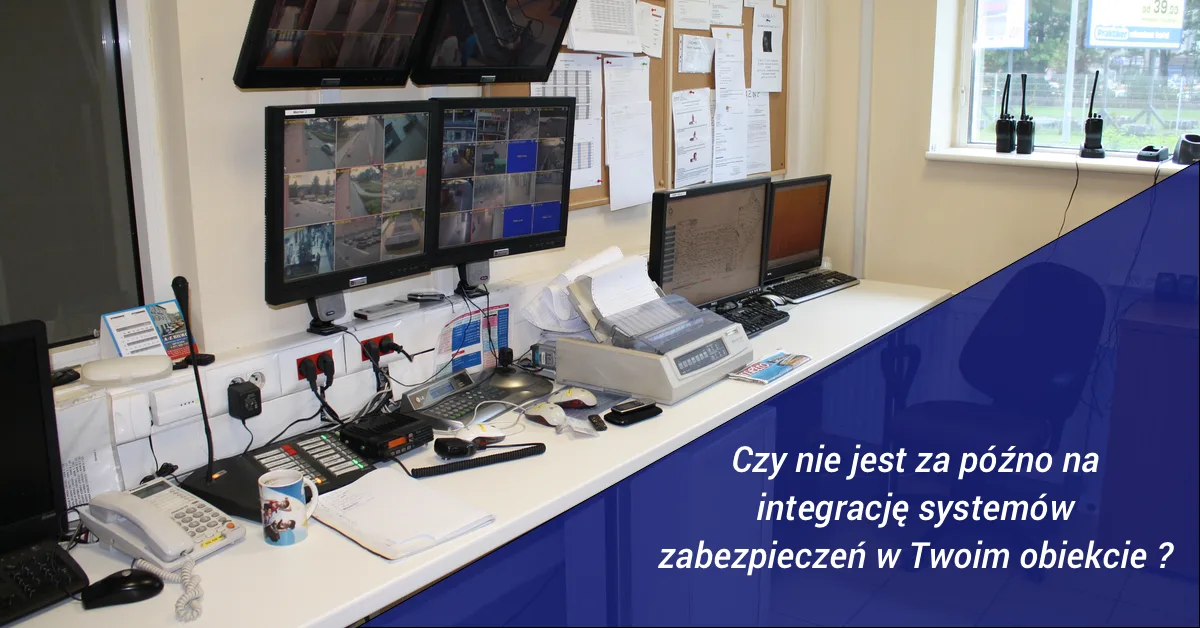
A growing number of security systems requires a unified approach to facility security management.
Increasing the number of technical security systems while simultaneously reducing operating staff can, contrary to the investor’s intentions, decrease rather than increase the level of security (the security paradox). Each additional system is another stream of data that must be received and analysed. PSIM systems help maintain this balance by enabling the operation of multiple systems — each with a different interface — through a single, unified operating interface that allows for optimal staffing.
Integration from the start
Deciding to integrate all systems from the very beginning of an investment allows the creation of an optimal security system. It avoids duplication of functions and thus optimises costs. It is worth remembering that information from one system, confirmed and supplemented by integrated subsystems, allows for a simpler set of solutions than when each system operates independently.
What about existing facilities?
What if a facility already has multiple security systems installed over the course of many years? Is it too late for integration?
Of course not. There may be issues with very old solutions, but these probably require modernisation or replacement anyway. Implementing a system that enables unified operation of all integrated systems radically raises the security level of a facility that was previously monitored using several differently operated systems.
Step-by-step integration
Even if it is not possible to integrate everything at once, this is not a problem. The larger the facility and the greater the number of solutions in place, the more sensible it is to introduce integration in stages — regardless of whether it is a new facility or integration is being introduced years later.
It is important for the operating staff to become familiar with the new interface under a lighter workload, resulting from a lower volume of incoming reports. Once they gain proficiency — which should not take long — additional systems can be connected one by one. If the systems are stable, as is likely the case in a facility that has been in operation for some time, the staff will barely notice the additional load.
Many decision-makers, after establishing an integrated security station, change their facility management strategy — which in turn leads to a more rational purchasing policy and human resource management.