
On 24 June 2026, a few minutes before 3:00 p.m., an uncontrolled chemical reaction occurred in a chemistry laboratory at the Institute of Geology of UAM in Poznań. The explosion of the resulting substance filled the building with smoke. One student with burns was taken to hospital.
Emergency services were on site, including the fire brigade and a chemical unit. UAM later reported that university staff had assisted the student and that the authorities had set up an internal committee to investigate the circumstances of the event.
I am not writing about this in order to point to those at fault. That is what the proper procedures, the committee and the emergency services are for.
I am writing about it because such situations reveal something that is too rarely discussed in the management of large facilities: campus security does not depend on a single system, a single instruction or a single department. It is always a system of communicating vessels.
An academic campus is one of the hardest facilities to protect
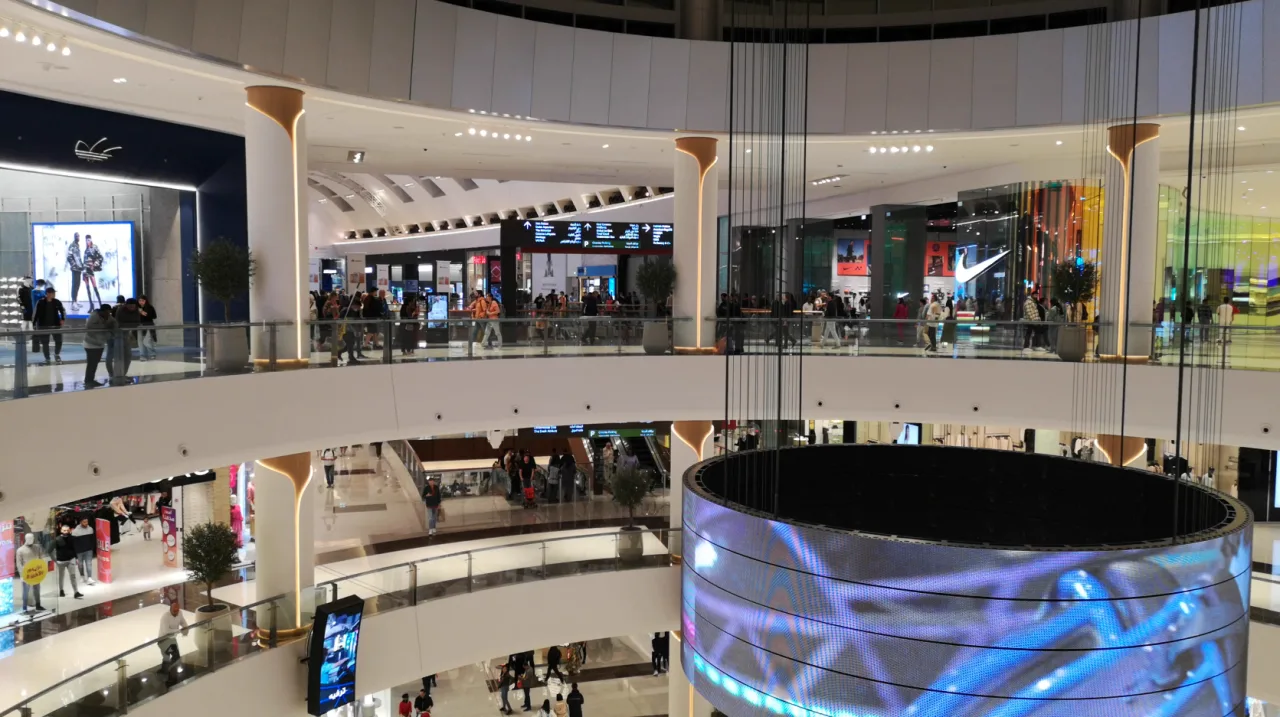
A campus is a small city of buildings housing laboratories, lecture halls, workshops, dormitories, circulation routes, technical installations, car parks, public areas and rooms with restricted access.
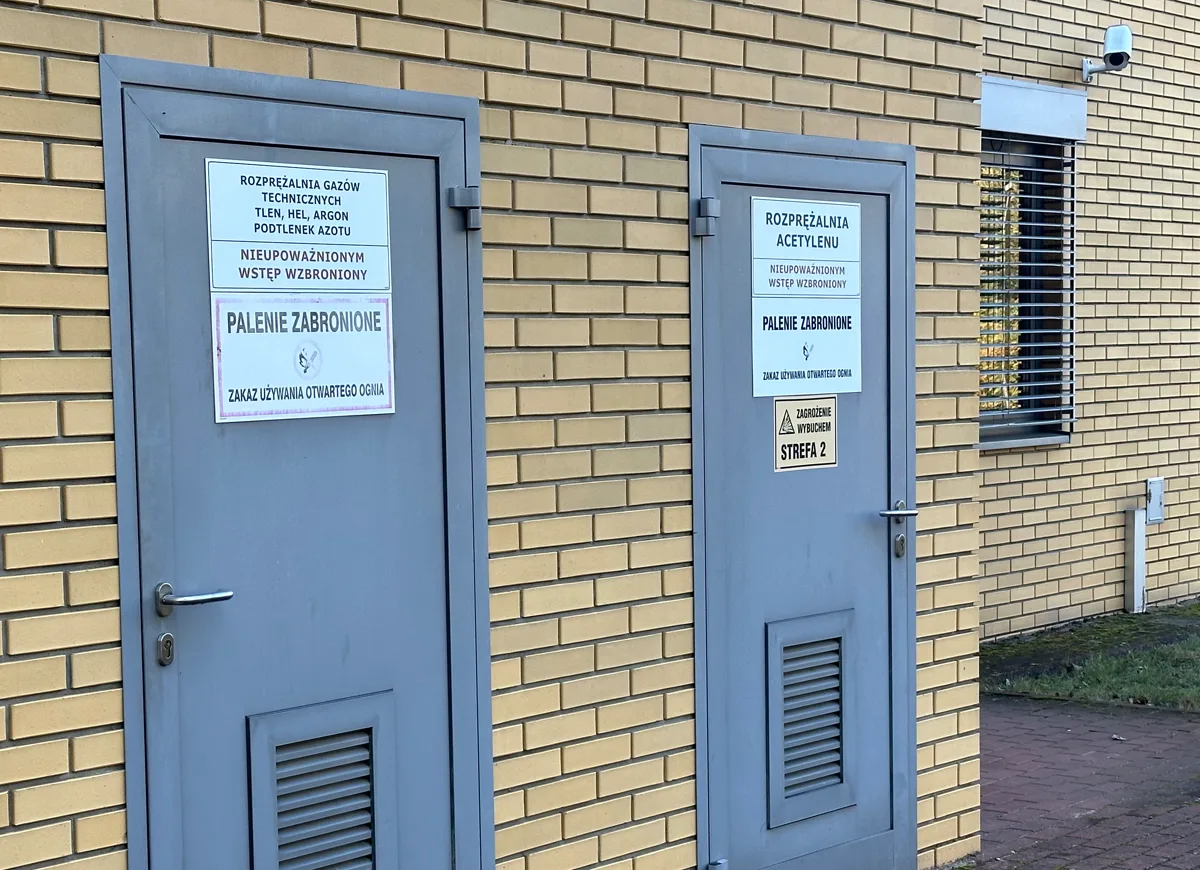
Technical-gas decompression rooms with video monitoring and explosion-hazard zones — an example of just how complex the technical infrastructure of a modern campus is.
On top of this comes a heavy flow of people: students, academic staff, administration, external companies, visitors, service technicians, suppliers and emergency services.
In practice, this means that those managing a campus must think about many areas at once:
- laboratory safety
- evacuation routes
- access for emergency services
- fire alarm systems
- alarm communication
- access control
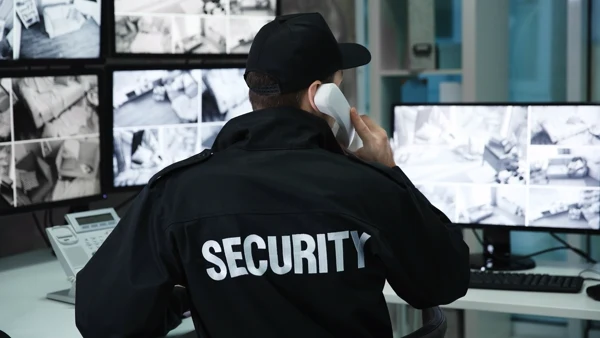
- video monitoring
- technical installations
- crisis procedures
- documenting events
Each of these elements can work well on its own. The problem begins when they fail to work together at the moment of an incident.
Security systems cannot operate as separate islands
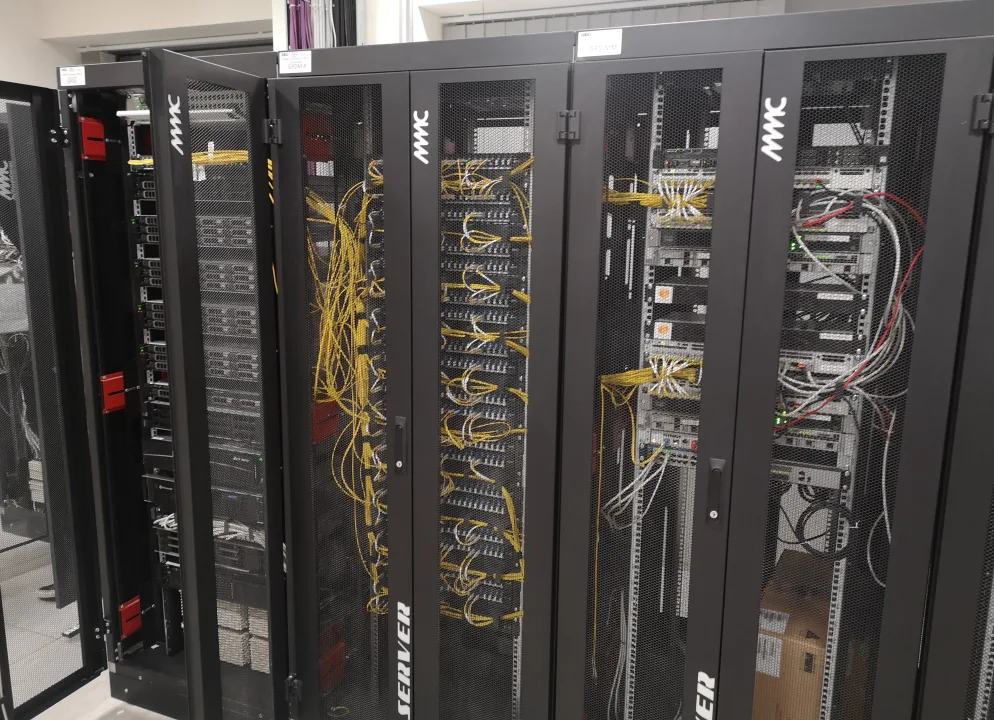
Large facilities often run many technical systems: BMS, fire alarm systems, voice alarm systems, CCTV, access control, intrusion detection, gas detection, paging systems, event logs or service-management tools. Each of them has its own job.
But their real value only emerges when they help to answer specific questions quickly:
- where exactly the incident occurred
- who may be inside the building
- which zones need to be cut off
- which way to lead the evacuation
- which emergency services to notify
- who takes over coordination
- how to document the course of the incident
In a crisis, no one has time to look for information across several independent panels, binders and spreadsheets. Decisions have to be made quickly, but not blindly.
That is why integrating security systems on a campus is not an add-on “for later”. It is part of genuine operational readiness.
Where does PSIM fit into all of this?
It is precisely in facilities such as academic campuses that the point of PSIM-class platforms becomes clear. The idea is not to replace every existing system with one new tool. The idea is to combine information from many sources and give the operator and management one clear picture of the situation.
This is especially important when an incident develops quickly and the person responsible for the response has to see, all at once, the alarm, the location, the camera feeds, the status of doors, the action procedure and the history of the steps already taken.
We explain more about what PSIM is in a separate article. It is a good starting point for anyone who wants to understand why the sheer number of security systems does not yet determine how effective the response will be.
In practice, the advantage comes only from a shared operating logic: integration, correlation of events, step-by-step procedures and documentation of how the incident was handled.
A procedure on paper is not enough
In the case of the event at UAM, what matters is that help was given quickly, the emergency services were notified, and the university launched an investigation. This shows that an organisation’s response does not end at the alarm.
But every such incident should also be a point for calm analysis. Not emotional. Not reputational. Technical.
Afterwards, it is worth checking, among other things:
- whether the alarm reached the right people
- whether communication was unambiguous
- whether staff knew who makes the decisions
- whether the emergency services had quick access to the building
- whether the documentation of the rooms and installations was up to date
- whether the technical systems provided useful information
- whether the procedures matched the real working conditions in the laboratory
Only such an analysis makes it possible to improve the security of a facility, rather than merely closing the case with a report.
Campus security begins before the alarm
In my view, a modern campus should be treated as an integrated technical and organisational organism. It is not enough to have video monitoring. It is not enough to have access control. It is not enough to have a fire alarm system. You also need to know how these solutions work together, who uses them and what decisions they are meant to support.
The security of a large facility begins much earlier than at the moment of the alarm. It begins at the stage of designing procedures, integrating systems, analysing risks, running drills and preparing people to act.
The incident in the laboratory on the Morasko Campus is a reminder that universities today are not only places of education and research. They are also a complex infrastructure that requires continuous risk management. And that is exactly why campus security is worth discussing calmly, concretely and systemically.
Sources: Press release of Adam Mickiewicz University in Poznań, 25 June 2026; epoznan.pl, “Explosion at the Institute of Geology during classes. One person injured”, 24 June 2026; TVP Poznań, “Explosion at an institute in Poznań. Eight fire crews dispatched”, 24 June 2026.
FAQ
- Why does campus security not depend on a single system?Because a campus is a complex infrastructure of many buildings, laboratories and installations, with a large number of people moving through it. An effective response at the moment of an incident requires procedures, people and technical systems working together — not a single solution.
- What role does a PSIM platform play in campus security?PSIM combines information from many systems — CCTV, access control, fire alarm systems or building automation — and gives the operator and management one clear picture of the situation. This allows decisions to be made quickly, but not blindly.
- What is worth analysing after an incident at a facility?Among other things: whether the alarm reached the right people, whether communication was unambiguous, whether emergency services had quick access to the building, and whether the documentation of the rooms and the procedures matched the real working conditions.